1. 1000 Könige / 1000 Kings (Bidzina Kanchaveli, 2019)


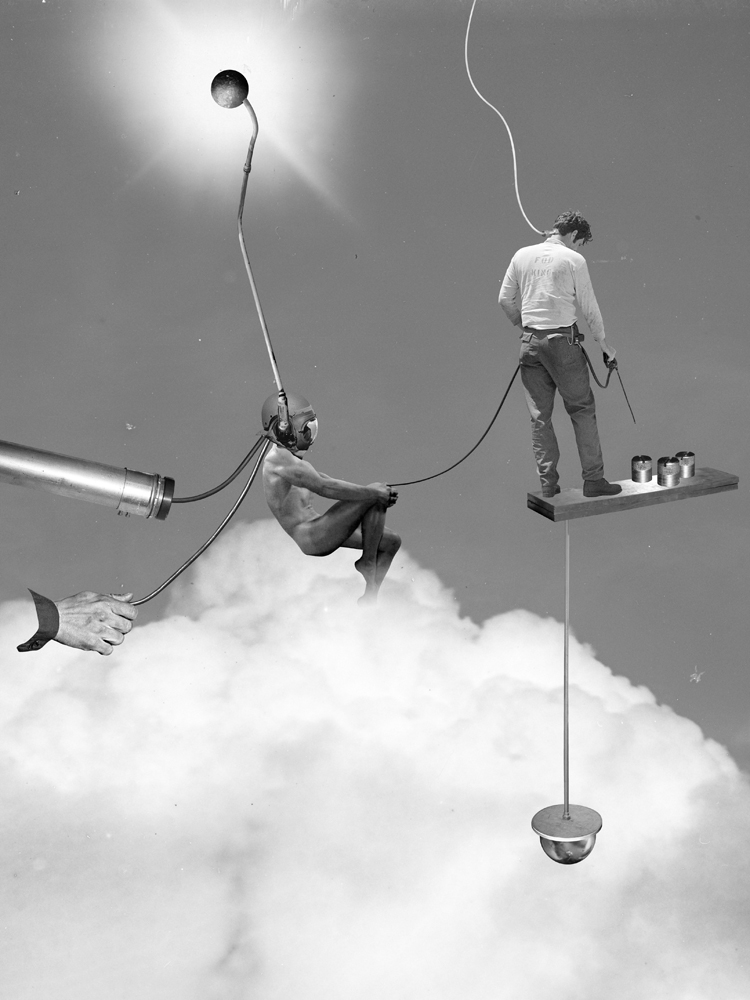
A one-of-a-kind piece of experimental cinema, Bidzina Kanchaveli’s feature-length debut plants the viewer in a strange, parallel world supervised by Primal Mother, and populated by 1000 ‘people’ whose only task is to lit up mysterious spheres, with the help of the Chosen One. The confined space they populate is governed by its own set of rules, and its dissolution could be a solution to a cosmogonic puzzle – the beginning of everything, as the director himself notes in an interview for Indie Activity. Imbued with mythological qualities and ontological implications, 1000 Kings comes across as the extension of Samuel Beckett’s TV play Quad by way of its creator’s 2007 short / installation 6 Pictures of a Universe, eschewing words for radiant colors and symphonic score which elevates ostensibly simple, meticulously choreographed visuals. It is a difficult film to put into words or recommend, but one thing I’m pretty sure of is that I felt at home in it, both on conscious and subconscious levels.
2. Terrifier 2 (Damien Leone, 2022)


Bigger, crazier, nastier and, in a way, funnier in its pitch-black, blood-soaked humor than its predecessor, Terrifier 2 capitalizes H (as well as all the remaining letters) in ‘horror’, providing the viewer with what will probably prove to be the most visceral, gut-wrenching experience of 2022. Increasingly surreal, not to mention relentlessly nightmarish in the irrational mayhem on display, the film sees David Howard Thornton reprising the silent role of the demonic, seemingly indestructible Art the Clown. Armed with brilliant mime skills, he steals the gory show, cements his character’s position in the pantheon of the creepiest bogeymen, and once again makes Pennywise look like a children’s party entertainer, with Killer Klowns from Outer Space reduced to Teletubbies. As Art rips, slashes and bludgeons his wicked way through the flesh of the victims who often deserve more sympathy than the cannon fodder of Terrifier, Leone creates a strong heroine, i.e. ‘final girl’ in Sienna portrayed by magnetic Lauren LaVera, raising the cine-fantasy bar pretty high during the climactic confrontation. If another sequel is in plans (the morbid post-credit scene hints it is), it would be a shame not to have her return, and perhaps kick Art’s butt in some meta-universe, why not? Whatever the director has in store for us next, we can’t help but admire the mad love invested in creating Terrifier 2, and reflected in gruesomely awesome practical effects, Paul Wiley’s energizing synth-heavy score that evokes the 80’s, and eye-pleasing (or, rather, eye-piercing?) visuals elevated by great lighting, all on a pretty tight $250,000 budget.
3. 2551.01 (Norbert Pfaffenbichler, 2021)


In an inhospitable world that appears to be a post-apocalyptic dystopia of some alternative universe, an ape-faced man and a kid with a sack on its head wander around a bunker-like underground inhabited solely by grotesque figures, each one wearing a mask more freaky than the next. Or maybe those aren’t masks at all, but rather disfigured faces of mutant beings embodying the worst traits of humanity? Whatever the case may be, 2551.01 is a morbidly, painfully beautiful piece of punk / DIY cinema that manages to transcend the budgetary constraints, and fiercely plunge you in its nasty, twisted universe right from the abrasive get-go – a stroboscopic sequence of violent protests accompanied by a pounding speed / black metal track. Following the intensely electrifying opening is a series of ultra-bizarre events that involve a family dinner from the worst nightmares, the creepiest of kindergartens, and laboratory experiments of nauseating qualities, as they evoke the memories of wide range of films, from the silent era and Lynch’s haunting debut Eraserhead, to The Texas Chainsaw Massacre and Yevgeny Yufit’s necrorealism, to cult favorites such as Begotten and Rubber’s Lover. It goes without saying that 2551.01 is an epitome of creative madness; a bold, visceral, inspired and uncompromising work of art, pulling no punches and – in the complete absence of dialogues – superbly exemplifying the ‘show, don’t tell’ approach to filmmaking.
4. Cast a Deadly Spell (Martin Campbell, 1991)

“My name is Lovecraft and I am the guy who knows. Just about the only guy who knows it all and who’s still breathing.”
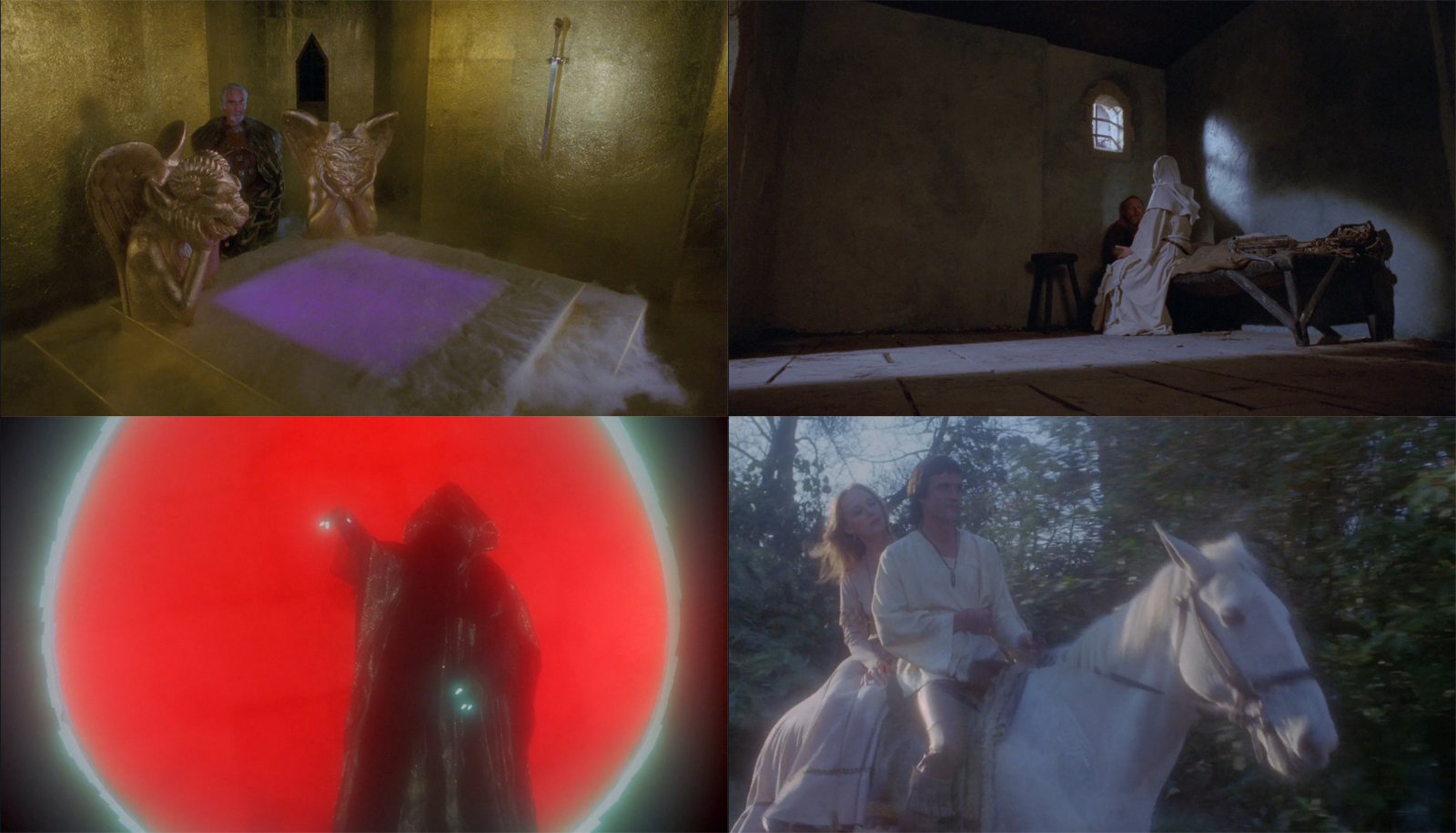
A highly entertaining and stylishly crafted mélange of ‘gumshoe’ noir, horror and comedy, ‘Cast a Deadly Spell’ sees perfectly cast Fred Ward as a hard-boiled, no-nonsense, chain-smoking private eye, H. Phillips ‘Phil’ Lovecraft, searching for stolen Necronomicon in alternate 1948 L.A. where everyone – except him – uses magic. He is provided with an amazingly strong support in another distinguished character actor, David Warner, portraying a rich esotericist, brilliantly femme-fatale-ing Julianne Moore in one of her earliest roles, and Clancy Brown of ‘Highlander’ fame as an ex-cop, now unmistakably villainous owner of ‘The Dunwich Room’ nightclub, with honorable mention going to Arnetia Walker as a witchy, thick-accented landlady, Hypolite, who shares her last name with the Russian anarcho-communist Peter Kropotkin (1842-1921). The motley crew of protagonists and antagonists also includes the last of the unicorn hunters, and a whole bunch of creatures, from mischievous Gremlins to a gargoyle familiar to a representative of the Great Old Ones from the Lovecraftian lore, all given their rightful place in a compellingly built world of what is a taut and surprisingly cinematic TV production. Martin Campbell directs with great ease and assured pacing, daringly eschewing political correctness in favor of the period authenticity, which he wouldn’t have been allowed to do nowadays...
5. Kaidan semushi otoko / House of Terrors, aka The Ghost of the Hunchback (Hajime Satō, 1965)
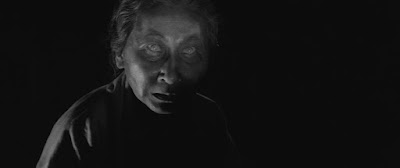

Applying Western formula for Gothic horror, Hajime Satō – whose work I’m encountering for the first time – delivers eerie atmosphere in spades, only to amp up the pulp and irrationality to eleven during the final and most nightmarish third of his haunted house flick. Often preposterous story is served with such verve and gusto, that you can’t help but go along with its madness, as you relish in the stunningly beautiful B&W cinematography complemented by creaky noises, spine-chilling ghost moans, over-the-top evil laughter, and sudden gushes of wind through the hall decorated by a grotesque statue of the Devil.
6. Wspólny pokój / One Room Tenants (Wojciech Has, 1960)

“There’s no liar bigger than one’s imagination.”
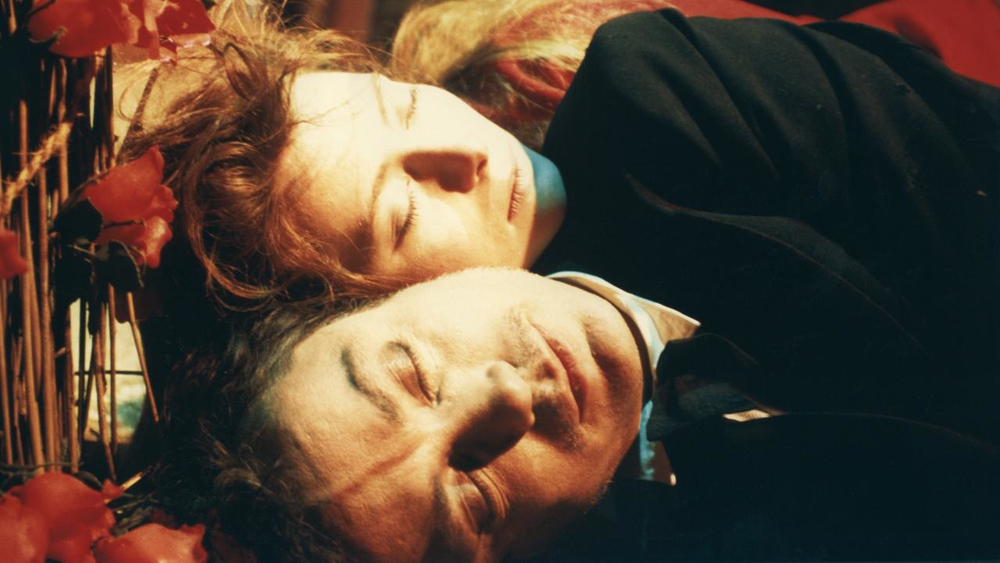
The fragile lives of an aspiring writer, his poet friends, law and medicine students, a prostitute, a left-wing activist, and an aristocratic couple intertwine on a shaky field of hopes, dreams and aspirations during the lazy days and drunken nights in Poland between the two world wars. Their frequent joking dipped in alcohol may fool the ever-growing pessimism, but it can not cheat the impending death which stains the final third of this initially (and ostensibly) jovial existential drama. Mostly set in a tenement inhabited by the poor of the abovementioned bunch, One Room Tenants delights with the ‘battle’ of thespian wits, as many shots linger on performers’ faces, and enchants with an incredibly fluid camerawork that dispels the limitations of claustrophobic spaces. A fascinating microcosm of Polish society of the time is rendered in noirish grays, as Wojciech Has – best known for his surrealist tour de force The Hourglass Sanatorium – directs the film as if it were the easiest thing in the world, bringing to life colorful characters based on Zbigniew Unilowski’s novel.
7. Matar a la Bestia / To Kill the Beast (Agustina San Martín, 2021)


Oozing with and heavily relying on sultry atmosphere of teen melancholy, subtle eroticism and superstition-infused mystery, Agustina San Martín’s feature debut is a risky, unapologetically lyrical take on coming-of-age-and-out story. Set in a misty village tucked away on the Argentinian border with Brazil, it enchants you with its liminal, hypnagogic qualities, as the lines between dream, myth and reality are continuously blurred, until they’re completely erased. The young author often insists of long, hypnotizing takes and – assisted by cinematographer Constanza Sandoval – she delivers a plethora of meticulously framed shots that beautifully capture angst and vulnerability on the angelic face of a 17-yo heroine, Emilia (newcomer Tamara Rocca), as well as the oneiric trappings of the place surrounded by a thick rainforest. Refusing to provide any clear answers (let alone a plot resolution), San Martín concocts a strong potion of far-reaching gazes, deliberate pauses and cryptic symbols in her meditation on sexual awakening.
8. Muna Moto / The Child of Another (Jean-Pierre Dikongué-Pipa, 1975)


Tradition comes with zero values in the first Cameroonian feature – an honest portrayal of the country’s culture damaged by colonialism, as well as of young love torn by humiliating customs deeply stained with sexism and the abuse of power. Attacking the reactionary ways of thinking and doing, Dikongué-Pipa blends romantic tragedy, social drama and ethnographic study into a film of considerable formal strength, its stark B&W imagery beautifully capturing the sense of place, the modern generation’s disdain for patriarchal rules, and the intensity of emotions conveyed by the non-professional cast.
9. North of Vortex (Constantine Giannaris, 1991)

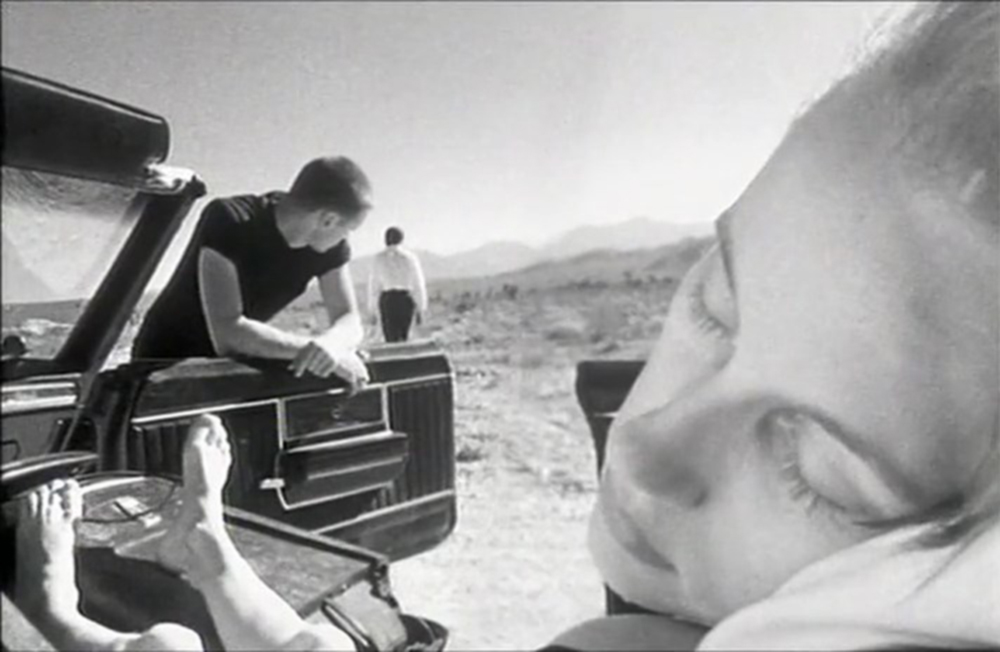
A spiritual successor to Trojans (1990) – Jarman-esque biopic of Greek poet Constantine Cavafy (1863-1933), North of Vortex sees a passive gay poet (Stavros Zalmas) getting entangled in a ‘romantic’ triangle with a sporadically aggressive sailor (Howard Napper), and androgynous waitress, Jackie (Valda Z. Drabla), whose ‘glamorous detachment’ from reality paints the film’s languid, hypnagogic atmosphere. Part nihilist tone poem that gives off beatnik vibes, and part freewheeling road movie anticipating Gregg Araki’s The Living End (1992), this 55-minute featurette eliminates almost all of the dialogue in favor of an all-seeing narrator (the voice of Kevin Graal), smoky B&W cinematography (James Welland), and understated jazz score by British trumpeter John Eacott.
The film can be viewed @ the director’s official Vimeo channel, HERE.
10. Älskande par / Loving Couples (Mai Zetterling, 1964)


“Hate can be enjoyable. It’s so close to love, but much more exciting.”
Adapting a controversial seven-part novel by Agnes von Krusenstjerna (1894-1940), while taking cues (as well as thespians and cinematographer) from Ingmar Bergman, actress Mai Zetterling delivers an impressive, if flawed directorial debut – part nuanced character study / psychological drama, and part biting feminist / anti-marriage tirade paralleled by a provocative, ahead-of-its-time exploration of female sexuality. Burning with desire to find her own voice, she approaches the story with a daring, freewheeling attitude, and builds the narrative largely on flashbacks which don’t always come together seamlessly, engulfed in the vortex of vivid memories and overpowering emotions. However, she elicits strong performances from the leading trio of Gunnel Lindblom, Gio Petré and Harriet Andersson, as well as from the supporting cast including Gunnar Björnstrand and Anita Björk, visualizing the mindscapes of her heroines through the distinctive framing and fluid camera movements of Sven Nykvist.
11. Das Rätsel der grünen Spinne / The Mystery of the Green Spider (Franz Marischka, 1960)


Dubbed ‘musikrimi’ by its authors, The Mystery of the Green Spider is a quirky amalgam of musical and murder mystery set in a night club called ‘Green Spider’, and revolving around the case of a singer shot dead during a loud trumpet solo. Light in tone, it combines – to a rather charming effect – often humorous cabaret performances with a whodunnit investigation by both the police and a nosy journalist hero, so even if you’re not a schlager fan, you might enjoy the film for its beautiful B&W imagery, or its sheer, cheerful weirdness.
12. Barbarian (Zach Cregger, 2022)


A promising, technically competent and artistically pleasing solo debut for Zach Cregger, Barbarian serves edge-of-the-seat suspense in a hefty dose, as it twists and turns into some unexpected directions, unafraid to be silly and suspension-of-disbelief-stretching in its deliberate use of horror tropes. The less you know about it, the better, but I guess that it won’t hurt to mention the awkwardly great chemistry between Pennywise, pardon, Bill Skarsgård and Georgina Campbell (in the role of an unassuming heroine) in the first, Psycho-inspired act, as well as Justin Long’s excellent take on a sleezeball character (potential sexual predator) who is too self-absorbed to realize the saving power of motherly love...
13. Pearl (Ti West, 2022)

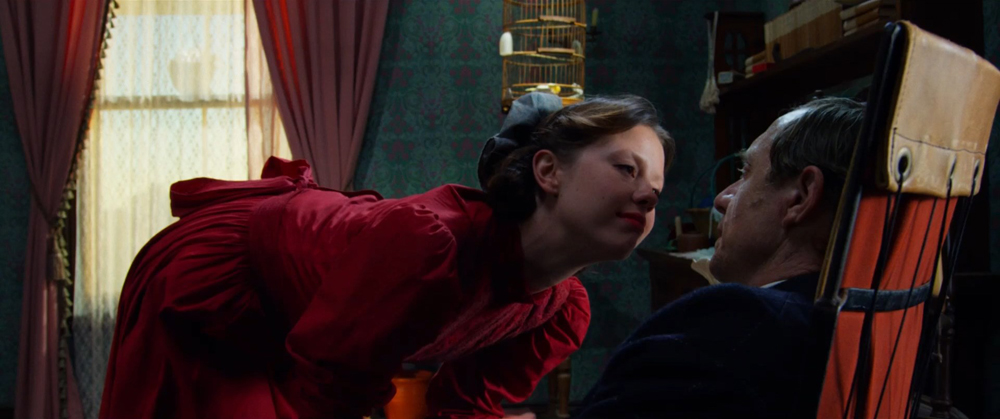
Once again, Ti West proves to be an expert in invoking the spirits of bygone era(s), bringing back the highly saturated sheen, as well as pronounced acting of Technicolor movies this time around. A prequel to his gerontophobic, suspension-of-disbelief-testing slasher X, Pearl mostly serves as a vehicle for Mia Goth’s talents, and in that regard, it is a crowning achievement. Her rendition of a seemingly innocent farm girl’s descent into madness is in equal measures funny, creepy, intense, and heartbreaking, culminating in what has to be one of the longest and most grotesquely disturbing smiles in the history of cinema. Although the table soliloquy that she delivers in the final act feels somewhat gratuitous, it does add a few shades to her pull-no-punches performance, and even sustains some of the viewer’s sympathy, in spite of the horrific, unforgiving acts her anti-heroine does. As she leads Pearl into the pantheon of the most memorable cine-villainesses, West plays pretty safe, checking all the boxes of the genre, but bringing nothing new beside the attractive stylistic flourishes. However, in times when many of his colleagues try to scare the audience with single-meaning metaphors, his darkly humorous, briskly paced and visually striking take on an ‘anyone can snap under the oppressive circumstances’ story comes across as refreshing.
14. Elvis (Baz Luhrmann, 2022)


Caught it on cable and, to my surprise, stayed with it until the end, enjoying most of it. Yes, it’s flashy and gaudy, but unlike that other fictionalized biopic of the huge 20th century star, it provides the viewer with much more than the sheer, exploitative victimization of its subject. Austin Butler has a lot of charm and charisma to easily carry both the role of ‘King of Rock and Roll’, and the film itself, with all of its stylistic flourishes and gimmicks...
15. Hellraiser (David Bruckner, 2022)


David Bruckner’s re-imagination of Clive Barker’s cult horror doesn’t live up to high expectations set by the director’s previous film – densely atmospheric chiller The Night House, which is why its position on the monthly list isn’t any higher. What makes it worth the mention are the memorable cenobite designs, Jamie Clayton’s imposing version of Pinhead, and the cathartic final scene involving the villainous Mr. Voight (Goran Višnjić).