Showing posts sorted by relevance for query bad dreams. Sort by date Show all posts

Mar 31, 2024

Best Premiere Viewings of March 2024

1. Pociąg / Night Train (Jerzy Kawalerowicz, 1959)
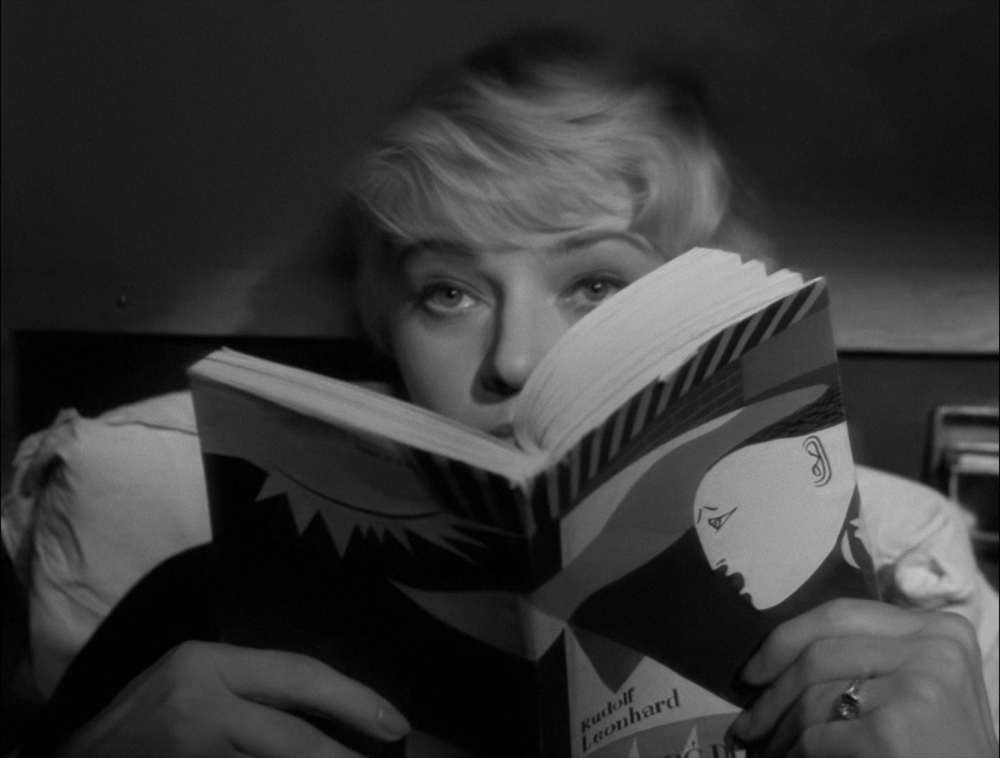

Almost entirely set on the train, with the passengers representing a microcosm of Polish society of the time, Jerzy Kawalerowicz’s ensemble cast drama is a psychologically probing portrait of emotional unfulfillment perfectly summarized in one of the main protagonists’ final line: “Nobody wants to love. Everybody wants to be loved.” A tautly directed examination of innate loneliness, and myopia of mob mentality, ‘Night Train’ enters the dark tunnels of human minds linked in a tightly-knit network of paranoia, as Kawalerowicz and his DoP Jan Laskowski establish the atmosphere of claustrophobia and inescapability. It is simply incredible how camera maneuvers in confined spaces of narrow corridors and crammed compartments, capturing the characters’ inner workings in acutely framed shots often focused on revealing facial landscapes. The racket of the moving train accentuates the ever-growing tension which arises from the suggestion that there may be a murderer on board, whereas the recurring jazz theme of dreamy vocalizations creates a sense of mystery, one of life’s inconclusive nature. The film can be labeled as a missing link between Hitchcock’s ‘Strangers on a Train’ and Antonioni’s ‘trilogy on modernity and its discontents’.

Watched as a part of the ‘Days of Polish Cinema’ event by Cultural Center of Niš and Polish National Film Archive. The film is available on 35mm.online, HERE.

2. Fata/Morgana / Left-Handed Fate (Vicente Aranda, 1966)


“Each murder is the story of a meeting. Each meeting is a love story.”

In dystopian Barcelona whose eerily empty streets echo with paranoia, an unnamed professor (Antonio Ferrandis, superbly forbidding) predicts that a model, Gim (Teresa Gimpera, embodying the vulnerability of beauty in her first screen appearance), is going to be killed, and yet he continually thwarts the attempts of a detective, J.J. (Marcos Martí), to reach out to her. Apart from Gim’s love interest, Álvaro (Alberto Dalbés), who takes care of one mentally unstable Miriam (Marianne Benet), all the remaining men in the city act like stalkers, which creates a simulacrum of suspense in an ambiguous story rooted in the fever-dream logic. A script that Vicente Aranda co-penned with Gonzalo Suárez unleashes a school of red herrings on the viewer, leaving you defenseless against a plethora of questions, but somehow gradually and eagerly attuning to the feature’s peculiar wavelengths that anticipate the directorial oeuvre of Alain Robbe-Grillet, all the while bouncing between the Buñuelian absurdism and Antonioni-esque dislocation. Unclassifiable in its stubborn refusal to follow any genre patterns, ‘Fata/Morgana’ plays out like a subversion of giallo (or Hitchcockian thriller?), and exists in its own meta-world of fabulous jazz music composed by Antonio Pérez Olea and austerely beautiful visuals peppered with pop-art irony, and captured by DoP Aurelio G. Larraya.

3. Rekopis znaleziony w Saragossie / The Saragossa Manuscript (Wojciech Has, 1965)


“We are like blind men lost in the streets of a big city. The streets lead to a goal, but we often return to the same places to get to where we want to be. I can see a few little streets here which, as it is now, are going nowhere. New combinations have to be arranged, then the whole will be clear, because one man cannot invent something that another cannot solve.”


Spoken by a character called Don Pedro Velsaquez, these words pose as a reflection of the film’s convoluted narrative structure that is comparable to a Möbius strip, Chinese box or Matryoshka dolls. One story leads to another, then the second one gives birth to a third which may contain the clues for the resolution of the first, or open doors for the fourth, and so on, and so forth, until you find yourself lost in a labyrinth of half-told exploits. Gothic, erotic and/or picaresque, they bring together army officers, African princesses, evil spirits, Spanish inquisition, rich merchants, an old hermit, and a devilish Kabalist in lavish costume and production designs beautifully captured in stark B&W by Mieczyslaw Jahoda, and accompanied by a bizarrely eclectic score composed by Krzysztof Penderecki. It is the stuff that Raúl Ruiz’s dreams were most probably made of, at least before he released the likes of ‘Three Crowns of the Sailor’ or ‘Love Torn in a Dream’.

Watched as a part of the ‘Days of Polish Cinema’ event by Cultural Center of Niš and Polish National Film Archive. The film is available on 35mm.online, in two parts: PART 1 + PART 2.

4. Aurora’s Sunrise (Inna Sahakyan, 2022)


“As we crossed, soldiers tore children from their mothers’ arms. The river took them all...”

A heartwrenching confession of Aurora (née Arshaluys) Mardiganian (1901-1994) – a survivor of Armenian genocide during World War I, and spokesperson for the victims of the atrocities orchestrated by the Ottoman Empire, ‘Aurora’s Sunrise’ blends animated dramatization of her life, snippets of interviews recorded before her death, and scenes from 1919 feature ‘Auction of Souls’ (aka Ravished Armenia), only partially saved, in which she portrayed her own self. The detailed, painterly artwork and the simplicity of the paper cutout-like technique provide an odd, almost surreal effect, allowing Sahakyan to imbue the harrowing story with bits of alleviating poetry, given that the film is not intended to act as ‘guns and swords’, nor as the ‘little pointed crosses’ used for torture. It is only hours after watching that it begins to haunt you, and keep you reflecting not only on the events it describes, but also on all of the (in)human monstrosities throughout the history...

5. Once Within a Time (Godfrey Reggio & Jon Kane, 2022)


At once archaic and hyper-modern, Godfrey Reggio’s first ‘narrative’ film is a bizarre sensory overload that could be best described as a zany love letter to Georges Méliès, with quirky references to Kenneth Anger (caged heads), Albert Lamorisse (red balloons), Stanley Kubrick (the iPhone-smashing monkey), as well as to Bosch and Botticelli. Told from the wide-eyed perspective of a child-hero, ‘Once Within a Time’ is a strikingly playful fairy tale, an incessant stream of strong audio-visual stimuli that makes you forget its overt symbolism, and invites you to dive head-first into its cinematically exciting, delightfully carnivalesque world. Intertwining the ecological, technological and eschatological themes into a wild phantasmagorical smorgasbord of experimental techniques, the 50-minute-long featurette leaves no space for a breather, as enchanting colors of Philip Glass’s eclectic score meld into the dreamlike noise of ‘baroque’ imagery.

6. Victim (Basil Dearden, 1961)


A strong contender for the most decent and tasteful of once controversial films, ‘Victim’ thematizes what is now an antiquated law (code: blackmailer’s charter), but remains a carefully constructed character and social study that largely rests upon the shoulders of the great Dirk Bogarde in a daring, deeply personal role he addressed as ‘the wisest decision he ever made in his cinematic life’. Overcoming the obstacles of the (liberalizing!) feature’s talky nature, while accentuating the inner struggle of Bogarde’s barrister hero is the stark, noir-inspired B&W framing by Otto Heller of ‘Peeping Tom’ fame.

7. Natural Born Killers (Oliver Stone, 1994)


Some satires are like razorblades. ‘Natural Born Killers’ is the equivalent of a machete, or rather, multiple machetes posing as vanes of a giant, caseless fan. An incessant assault on the senses, it takes a ‘more is more, and that’s never a bore’ approach of tilted angles, frenzied camerawork, feverish editing, psychedelic color schemes, inebriating rear projections, wild animated intrusions, and other visually stimulating whatnots to probe into the cancerous tissue of mass media and tabloid culture. Boldly overstated in its experimentation with the music video aesthetics, it appears like a loony, MTV-informed successor to ‘A Clockwork Orange’, (paradoxically) pulling no punches in its somewhat cartoonish depictions of violence marked as ‘bad, bad, bad, bad, bad, bad!’ (to quote Juliette Lewis’s anti-heroine, Mallory). It plays a risky game of fighting fire with fire, but its brutally honest portrayal of societal psychoses is highly effective.

8. Le Vourdalak / The Vourdalak (Adrien Beau, 2023)


A promising feature debut from designer and scenographer turned director Adrien Beau, ‘The Vourdalak’ is a unique take on the heavily exploited vampire subgenre, with the titular creature represented by a life-sized marionette (and voiced by Beau himself) in a Carax-like twist. Bringing together its author’s ‘passion for 19th century dark romanticism and puppetry’ (as noted in the Variety interview), it is a moody and quaintly stylish adaptation of Alexeï Tolstoï’s novella ‘The Family of Vourdalak’ written in 1839, and first published in 1884. Beautifully shot on 16mm, and on a lush forest location surrounding Prieuré du Sauvage Monastery posing as unspecified somewhere in the Balkans (according to the book, Serbia), a grisly, unhurriedly paced chronicle of a peasant family torn by love (and, literally, pater familias) is told from the perspective of a French aristocrat (a funny, lampoonish performance from Kacey Mottet Klein), though the ending suggests a feminist shift in the view. Ariane Labed in the role of the unlikely hero’s romantic interest Sdenka acts as a leading violin of a fine-tuned ‘chamber ensemble’ of well-cast actors, providing – as expected from Yorgos Lanthimos’s muse – a sticky aura of charming weirdness culminating in a zany dancing scene. The carefully measured doses of wry humor are neatly interwoven into the poetic tapestry of horror, never thwarting the dense, immersive atmosphere of omnipresent evil.

9. Морето (Петър Донев, 1967) / The Sea (Peter Donev, 1967)


Restored last year in a collaboration between Bulgarian National Film Archive and Yugoslav Film Archive, ‘The Sea’ is a fine piece of modernist cinema that no Italian or French masters would’ve been ashamed of. Chronicling a night and day in lives of Zhana (Severina Taneva) and Toni (Stefan Danailov), this slice-of-(aimless?)-life drama seduces the viewer with its swinging atmosphere of night club flirtation that leads to an early-morning skinny dipping framed in a captivating long shot, only to take a melancholic turn in the second half, as the couple learns their drunken joyride might’ve had a tragic consequence. Donev makes the most of the economic (62-minute) running time to capture the fleeting beauty of summertime (and youth), with the eye of Boris Yanakiev’s camera often intimately lingering on attractive faces of the leading duo, in emotionally resonant medium close-ups. 

For a coastal town double bill, I propose Giuseppe Patroni Griffi’s 1962 drama whose title also translates as ‘The Sea’, or Boštjan Hladnik’s New Wave-ish feature ‘A Sand Castle’ (1962).

10. Nightmare (Maxwell Shane, 1956)


In a strange coincidence, on a day I created a collage titled ‘A Missing Candle’, I premiered a film in which the very first image is of a lit candle surrounded by darkness. ‘Nightmare’ is Maxwell Shane’s fifth and final feature, and it is the adaptation of Cornell Woolrich’s short story ‘And So to Death’ that also served as the source material for the director’s 1946 debut ‘Fear in the Night’. A neat psycho-noir-drama of steady pacing, it revolves around a young clarinetist, Stan (Kevin McCarthy, superb in channeling anxiety and paranoia), who believes that a murder he dreamed of committing actually happened, as he discovers a few tangible clues upon waking. Reluctantly helped by his brother-in-law detective Rene Bressard (ever-reliable Edward G. Robinson), he pulls the viewer into a captivating guessing game which doesn’t end even after the twisty truth is unveiled, considering that certain elements of the story seem almost surreal in their logic. Maybe Shane’s intention was not to produce a ‘could it all be but a dream’ effect, and yet ‘Nightmare’ – despite the talkiness typical for the 1950’s cinema – gives off a good deal of oneiric vibes, partly by virtue of Joseph F. Biroc’s moody cinematography. The swinging jazz score befitting of the New Orleans setting establishes a distinct atmosphere, with a mysterious melody that haunts Stan playing an important role in his ‘quest’.

11. Stopmotion (Robert Morgan, 2023)


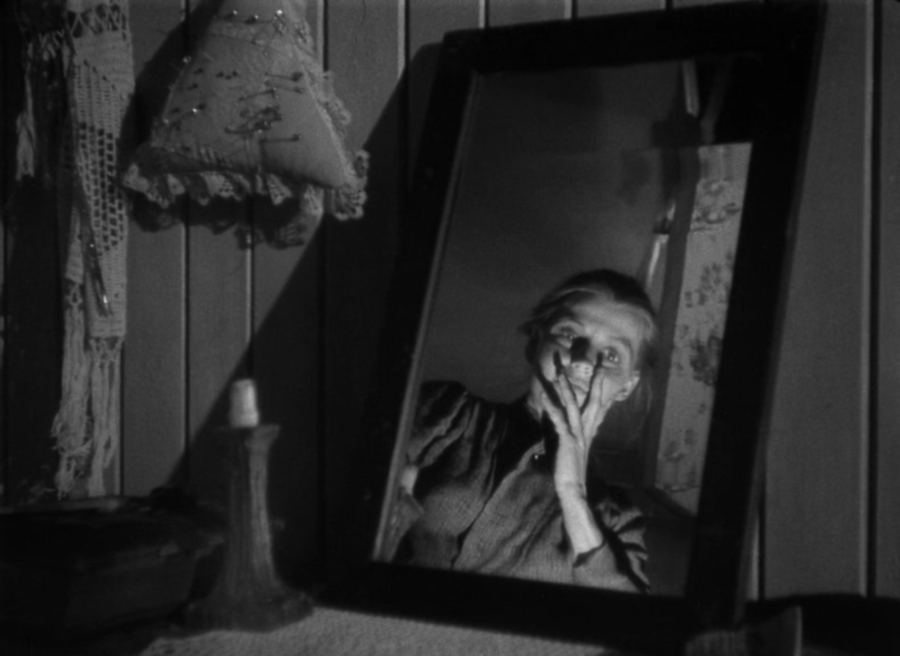
The long-repressed inner child (Caoilinn Springall, a strong contender for the Pantheon of the creepy kids in cinema) is possessed by a Mephistophelian entity in Robert Morgan’s feature debut which takes a deep dive into the darkest waters of artists’ obsession with their work. His heroine, Ella (Aisling Franciosi, feverishly dedicated to the role), struggles with the bequest of her dying, once overbearing mother, spiraling down into madness, as her grotesque puppet creations take the most of life she has given to them. Initially operating as a dark psychological drama along the lines of ‘Repulsion’, with impulsive cuts and effective sound design emphasizing Ella’s gradually deteriorating mental state, ‘Stopmotion’ transmutes into a gooey nightmare strongly influenced by the body horror subgenre, making sure you remember the visceral ‘literalization’ of the line: “Great artists always put themselves into their work.” Embedded in live-action tissue are, of course, Morgan’s macabre ‘frame by frame’ vignettes that often remind us how PAINstaking the technique is. The film’s red-dominated coda appears to be set in the proximity of the Black Lodge.

12. The Philadelphia Experiment (Stewart Raffill, 1984)


As paradoxical as time-travel flicks usually get, ‘The Philadelphia Experiment’ turns the eponymous conspiracy theory into a neat sci-fi romp with a B-movie spirit, and ace cinematography by Ken Russell’s frequent collaborator (and DoP on Friedkin’s thrilling adventure ‘Sorcerer’) Dick Bush who appears to be in an ‘ominous red’ period. Michael Paré in his prime is partnered by ever-likable Nancy Allen in a romantic subplot, as he sheds his macho skin along with manly tears, and slips (unscratched!) through a wormhole three times, while the SFX team treats us to some (2001) stargate-inspired psychedelia.

Sep 27, 2011

Kratko, ali slatko vol. I

>> Dym (Grzegorz Cisiecki, 2007)
Fantazmagoričan, slojevit i višeznačan amalgam psihološke drame i misterije, sasvim oslobođen dijaloga, pod snažnim uticajem Davida Lyncha i Stanleya Kubricka u "Eyes Wide Shut" elementu. Dim kao nosilac razbacanih sećanja i pokretač tajni pokopanih negde u podsvesti. Briljantna režija, fotografija i montaža, suptilno nadrealna atmosfera i besprekoran zvučni dizajn najjači su atributi ovog uznemirujućeg, erotičnog sna.


>> Novice No 21 / 7½ Frauen (Bidzina Kanchaveli, 1999 / 2006)
Majstorski uslikan i izrežiran, Novice No 21 je svojevrsna "kafkijanska" dramedija o haosu oko birokratije, papirologije i policije. Osvojio je nekoliko nagrada i bio gruzijski kandidat za Oskara 2000-e. Sledeći Kanchavelijev projekat, 7½ Frauen, odlazi korak dalje u eksperimentisanju, a najlakše ga je opisati kao duhovit i apsurdan košmar. U jednoj izjavi, autor ga komentariše na sledeći način:

"In "7½ women" I do not tell a story. What matters to me are emotions, which I want to reach with the disappearance of the story. It is paradoxical to see how these emotions affect the spectators, although they do not find any structure to hold on to.

The only moment that gives an orientation are symbols, which plainly represent life. Thus there is a sky, planets, a universe, a man and a woman. You’ll find a whole cosmos in this movie.

It is essential to me to grip humans directly with their feelings, the very feelings which are all too often buried or asleep by information garbage and an illusory moral. I have no respect for a moral which destroys and eats up modern humans from the inside. I’d rather believe in direct and emotional understanding which undoubtedly goes more deeply than moral ever can and will.

This is precisely for this reason I also decided to represent violence in this film. It works like cold water splashed at the head of the spectators."
(preuzeto iz arhive sajta art-action.org)

Na youtube-u se može odgledati i sedmominutni sažetak polučasovne instalacije "6 Pictures of a Universe (2007)", kaleidoskopske "vizije tuđinskog sveta, kojipočiva na sopstvenim pravilima".

Zvanični sajt: www.kanchaveli.de


>> Happy Ending (Martin de Thurah, 2010)
Čini se da Danska lansira samo odlične reditelje, čak i onda kada se oni pretežno bave snimanjem promotivnog materijala. Martin de Thurah je diplomirao 2007. godine i može se pohvaliti opusom od oko dvadesetak kratkotrajnih ostvarenja (uglavnom reklama i muzičkih spotova), pri čemu se gotovo svako uzdiže iznad svoje svrhe i ogledalo je njegovog neporecivog talenata. Happy Ending je eksperiment u duhu Shūjija Terayame, sa prljavom paletom boja u kojoj dominiraju braon tonovi. Sadrži improvizovani performans dvoje Azijata (Japanaca?) sa razmazanim corpsepaint-om u retro okruženju koje izgleda kao napušteni grad na pragu industrijske revolucije.


Bloodrop je deo omnibusa 5ive, u kome Popogrepski istražuje prelazak iz jedne stvarnosti u drugu, odnosno iz trodimenzionalnog u dvodimenzionalni svet, služeći se optičkim iluzijama. Prelep minimalistički enterijer, koji je poprište "2D radnje", sam po sebi je dovoljan razlog za gledanje.

Opisujući "Duha", T. G. Boesen kaže da je prilikom njegovog nastanka želeo da se poigra sa strukturom, vizuelizacijom i zvukovima, izbegavajući konvencionalan narativ, pri čemu je kao konačan rezultat dobio savremen ekspresionistički horor. Posthumno tumaranje uplašene devojčice stavljeno je pod znak pitanja, jer, sudeći po izvesnim indicijama, deluje kao uobrazilja zabrinute (buduće) majke... 

>> Bak lukkede dører (Aleksander Nordaas, 2008)
I stilski i sadržajno izazovan, (norveški) Bak lukkede dører (In Chambers) poigrava se sa gledaočevom percepcijom, otkrivajući tek u emotivno snažnom preokretu šta zapravo predstavlja zlokobna institiucija...

Tizer:


>> Marehito (Tomoya Sato, 1995)
U postapokaliptičnoj distopiji, vojnik u crnoj oklopnoj uniformi čuva granicu svoje zemlje, okružen nepreglednom pustinjom. Njegov jedini zadatak jeste da uredno hvata radio-talase i snima govore "diktatora" Marehita koji je sa svojim pristalicama osnovao nezavisnu grad-državu (čiji se obrisi vide u daljini). Po povratku u slabo osvetljeni bunker, čeka ga ILYA Type 6, zelenooki android, tj. živa lutka za zadovoljavanje seksualnih nagona i povremenu konverzaciju. Jednog dana, stiže zvaničnik iz štaba kako bi nadogradio (Lj)Ilju, jer je došlo do izvesnih promena u politici vlade...


U tridesetak minuta i na dve kontrastne lokacije (klaustrofobični, polumračni enterijer i bezgranični, opustošeni eksterijer), reditelj uspeva da dočara turobnost nedefinisane budućnosti, baveći se uticajima poremećenog društvenog poretka na pojedinca. Fotografija savršeno oslikava minimalističko okruženje, a radnja se odvija gotovo u tišini, koju povremeno prekidaju dijalozi između malobrojnih likova, Marehitova megalomanska trabunjanja i melanholična muzika. Odličan "lo-fi sci-fi", psihološki napete atmosfere.

>> Protsess (Vallo Toomla, 2010) 
Ova slobodna adaptacija Kafkinog romana dolazi iz Estonije, a odlikuje se impresivnom likovnošću, pedantnom režijom i bravuroznom glumom (što nije teško uočiti, čak iako ne razumete ni reč estonskog).


>> Pokój (Marek Kurzok, 2011)
Klinac koji boluje od astme ustaje iz kreveta kako bi oprao zube. Po povratku u svoju sobu, otkriva da se tamo osim njega nalazi još nešto... Ono što na prvi pogled liči na horor zapravo je maska na licu emotivne drame, koju nosi monolog dečakove sestre. 


>> The Facts in the Case of Mister Hollow (Rodrigo Gudiño, Vincent Marcone, 2008)
"An image that tells an entire story, The Facts in the Case of Mister Hollow centers on a single photograph that dates back to the early 1930s. As the camera begins to investigate the particulars of the photo, however, it reveals a tapestry of secrets hidden in the details, and a tale of murder, kidnapping and sacrifice captured in a haunting moment."


Ne sećam se da sam pre "Činjenica u slučaju Gos'n Šupljeg" video nešto slično. Statičnost filma, koji igranu formu iznosi kroz svedenu animaciju (vrlo zanimljiva tehnika), uopšte ne staje na put konstantno rastućoj neizvesnosti. 

>> Monster (Jennifer Kent, 2005) 
Kada imaginarno čudovište iz ormara oživi, iscrpljena majka mora da pronađe način kako da zaštiti svog sina. Mračna i jeziva fantazija australijske rediteljke Jennifer Kent promišljen je i vizuelno atraktivan prikaz samohranog roditeljstva.


>> Little Red Riding Hood (David Kaplan, 1997)
Vickast scenario, preslatka Christina Ricci kao Crvenkapa, graciozni Timour Bourtasenkov kao vuk i bakina kućica na tragu nemačkog ekspresionizma najupečatljiviji su sastojci gotske, ni previše nežne, niti preoštre verzije svima dobro poznate bajke.


>> Tub (Bobby Miller, 2010)
Kada ga već usnula devojka odbije u krevetu, napaljeni Paul odlazi u kupatilo, cepa crno-bele sličice hotline oglasa iz dnevnih novina i masturbira pod tušem. Sutradan saznaje da se kada zapušila, zato što je ostala u drugom stanju (?#$%&!). Problem se produbljuje time što njoj nije potrebno 9 meseci, već samo jedna noć da na svet donese izopačeno nedonošče. Krajnje uvrnut spoj crnog humora i horora, iza koga stoji originalna ideja, budući da svetska kinematografija do sada nije iznedrila film sa trudnim sanitarijama... ili možda grešim?


>> The Flute of Krishna (1926)
Jedan od prvih filmova u boji, inspirisan indijskom mitologijom i sa elegantno izvedenom koreografijom američke plesačice Marthe Graham.


Na kraju moram da zahvalim drugarima sa foruma "fijmovi" koji su prvi naišli na neke od ovih bisera. :)

Apr 29, 2011

Bad Dreams (Anneli Gelbard, Fansu Njie, 2006)

Još od malena Theo pati od noćnih mora. U nastojanju da ih se otarasi odlučuje da, uprkos negodovanju svoje devojke Monice, učestvuje u (sumnjivom) eksperimentu, ne znajući da će ga isti odvesti na bespovratno putešestvije tokom kojeg ni on niti gledalac neće moći da razluče šta je java, a šta (ružni) snovi. Istražujući tanato- i oneirofobiju glavnog lika na klaustrofobičnim, slabo osvetljenim lokacijama, Gelbardova i Njie uspevaju da u samo dvadesetak minuta stvore upečatljivo jezivu atmosferu nalik onoj iz Lyneovog Jacob's Ladder ili bilo kog košmarnog segmenta Lynchovih filmova. Iako povremeno pribegavaju (delotvornim) horor-klišeima kao pikantnim začinima, ovo dvoje se vešto poigravaju misterijom podsvesti i isporučuju izvanredan kratkometražni psihološki triler koji vas i nakon gledanja ostavlja u nedoumici.

Apr 1, 2023

Best Premiere Viewings of March 2023

1. Сказка (Александр Сокуров, 2022) / Fairytale (Alexander Sokurov, 2022)


In the artists’ purgatory, Dante meets Beckett by way of Goya and Doré, their souls converge into a sly entity that possesses Sokurov’s dreams, and as a result of this esoteric act, he delivers a fascinating piece of experimental animation. Cleverly utilizing a combo of deepfake technology and archive footage, the Russian master brings four historical figures in their multiple versions to (after)life, and pokes some serious fun at them against the backdrop of foggy limbo where they’re stuck believing they deserve to enter paradise. The plot sounds like the beginning of a political joke that involves Stalin, Churchill, Mussolini and Hitler, with cameos by Jesus and Napoleon, and indeed, one can’t help but laugh at those egotistical, imperialistic mugs bickering about various topics, from their clothes and hygiene to religion and ideological isms. However, sardonically titled ‘Fairytale’ isn’t just an absurdist collection of darkly humorous quips – it is a powerful, provocative artistic experience that often remind us of history’s inconvenient tendency to repeat itself:

“Don’t lament, my brother. All will be forgotten, we’ll start anew... The best it yet to come... Soon, soon...

2. Flesh and Fantasy (Julien Duvivier, 1943)


Out of three Duvivier’s films I’ve seen so far, ‘Flesh and Fantasy’ is the one closest to my heart. A peculiar noir anthology laced with supernatural elements and hopeless romanticism, it weaves dreams, premonitions, and life’s multifaceted intricacies, into short, yet compelling tales built upon the dichotomy of fatalism and self-reliance / superstition and logic. The film’s main forte lies in its startling cinematography by Paul Ivano and Stanley Cortez (who would lend his remarkable talent to ‘The Night of the Hunter’ 12 years later), and Alexander Tansman’s sweeping, rapturously melodramatic score, their airtight synergy providing plenty of moments of breathtaking or even goosebump-inducing beauty. Also praiseworthy are stellar performances from the entire cast, with Betty Field, Edward G. Robinson and Barbara Stanwyck standing out as scene-stealers, and Duvivier’s meticulous direction paired with keen sense of pacing, tonal shifts and mystery.

3. Caminhos Magnétykos / Magnetick Pathways (Edgar Pêra, 2018)


In Portugal turned into a fascist dystopia, Dominique Pinon’s ex-revolutionary character Raymond Vachs faces an intense inner struggle that is eloquently translated into a fierce torrent of hypnotizing dissolves and superimpositions making an entire film a dazzling, uninterrupted hallucinatory sequence. The protagonist’s existential dilemma – soaked in the reality-shattering multitude of conflicting thoughts and feverish rants – finds its liquid reflection in kaleidoscopic imagery boldly edited into a formally challenging phantasmagoria. Additionally greasing his descent into both personal and societal hell is the moody soundtrack dominated by droning electronica that occasionally slips into unexpected interludes of blistering metal, jazzy dissonance, and acoustic guitar compassion. The color palette of Raymond’s tearing of time and space would leave Refn breathless in the run for his money, and the film’s puzzling nature – emphasized by the inclusion of Outer God worshippers and ghosts from the Portuguese real-life past – strives to outweird Lynch’s psychological mind-benders. ‘Magnetick Pathways’ is the work of a brilliant cine-fetishist who really knows how to treat the most adventurous among the viewers.

4. Hiroshima Mon Amour (Alain Resnais, 1959)

“It will begin again. It will be 10,000 degrees on the earth. 10,000 suns, people will say. The asphalt will burn. Chaos will prevail. An entire city will be lifted off the ground, then fall back to earth in ashes. New vegetation rises from the sands...”

Ringing stronger now than ever, these premonitory words remind us of how terrible a teacher history has been, as they set the oppressively brooding tone of this highly unconventional romantic drama. Easily one of the most assured feature debuts for both the screenwriter, Marguerite Duras, and director, Alain Resnais, ‘Hiroshima Mon Amour’ plunges the viewer into the unpredictable depths of emotions, leaving you helpless, as if you were a distant observer. Reliant on sombre performances from its leading duo of Emmanuelle Riva and Eiji Okada, or rather their poetic, increasingly bleak dialogue, the film also strives to unlock the secrets of (traumatic) memories, raising a plethora of questions on the psychological mechanism of forgetting and remembering. Anticipated by stunning opening shots of entangled bodies, its narrative convolution makes it a challenging or rather aching watch somewhat alleviated by Sacha Vierny and Michio Takahashi’s stark cinematography, as well as by Georges Delerue and Giovanni Fusco’s solemn score. The atrocities of war and its aftermath engage in a mysterious pas de deux with the devastating beauty of love, as the past buries the present in the gaping maw of time...
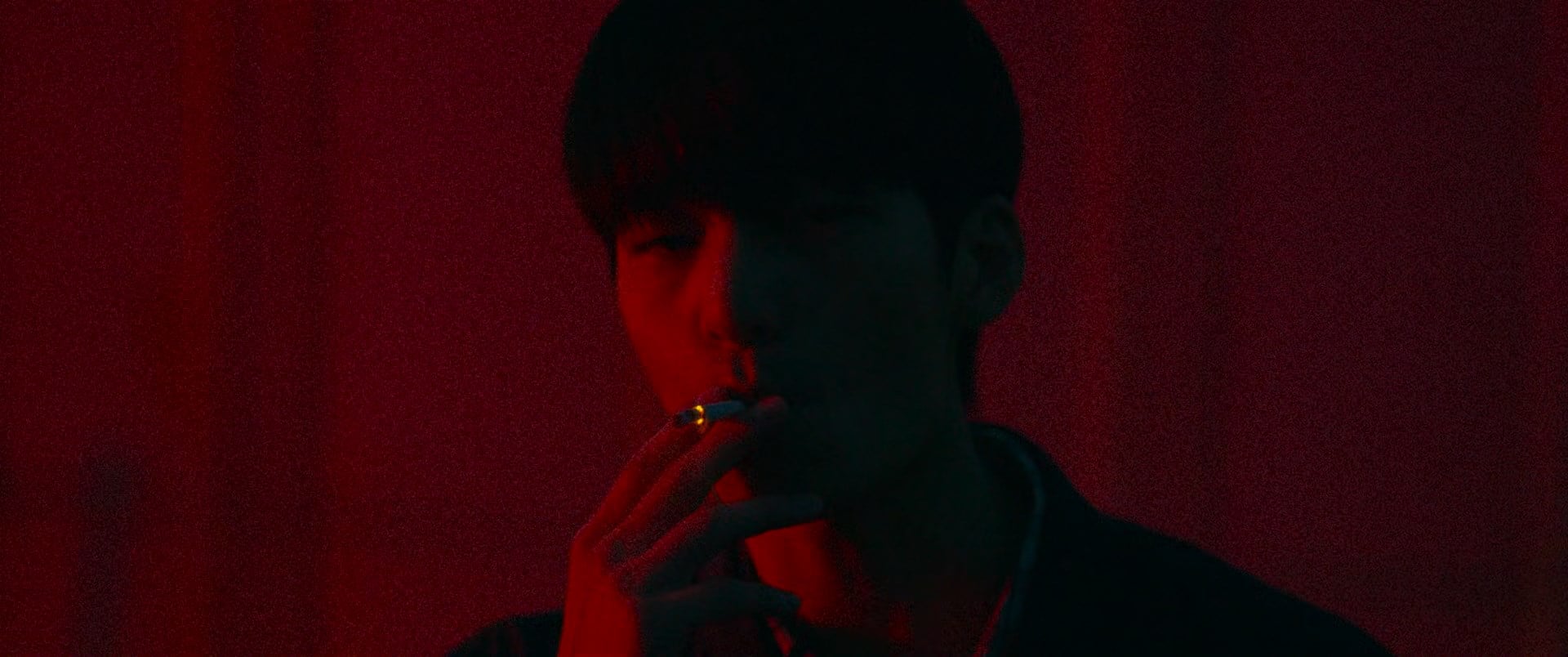

In the second of two films he created prior to retreating into a life of seclusion, Yong-Kyun Bae adopts the language of slow cinema to build a bleak world of loss and longing, dead silences and lost souls, fractured memories and neverending night(s). ‘The People in White’ is an oneiric, deeply meditative drama about the ghosts of the past so traumatic that the future becomes a certain impossibility. Unfolding at a languorously mesmerizing pace, it feels like one of those heavy, harrowing dreams that tend to make you believe that you actually experienced them. And it’s heart-achingly beautiful, with all of its derelict and industrial locations reigned by the darkest of shadows engulfing the protagonists burdened with melancholy...

6. La navire Night (Marguerite Duras, 1979)


As the camera smoothly glides like a ship across the most silent of seas, there are at least four layers to peel here. One is a story of doomed romance – a sorrowful phantom of de-sentimentalized words. The other is a gloomy ode to the city of light and its ghosts risen – unseen – from their Père Lachaise graves. Then, there is a literal document of the film’s own making – a poeticized, hypnotizing, illusion-shattering behind-the-scenes. And finally, we find an imaginary / unfinished piece of cinema, at once denied and re-confirmed, emerging from the disparity between off-screen voices and crestfallen images. We are kept at a distance, an insurmountable one, and yet we feel close to this strange entity, dead before it was born.

7. To Live and Die in L.A. (William Friedkin, 1985)


A dancer’s painted face which can be glimpsed during the opening sequence acts like a bad omen, its cold expression of indifference setting up the film’s nihilist tone. Add a cynical (anti)hero guided by the thirst for revenge to the pulpy story revolving around the counterfeiting biz, and you have yourself one of the best and grittiest neo-noir actioners of the 80’s. Propelled by Wang Chung’s avid, electrifying score and stylishly lensed by Wenders’s and Jarmusch’s frequent collaborator Robby Müller, ‘To Live and Die in L.A.’ boasts a slick, kinetic direction from Friedkin, and well-rounded performances from the entire cast, its strongest asset being the bold transformation of ‘sleaze’ into an admirable piece of art, as well as the apnea-inducing chase sequence that many critics have already raved about.

8. Thunderbolt and Lightfoot (Michael Cimino, 1974)


Sometimes, it takes a single shot accidentally caught after switching a TV channel to fall for a movie, track it down and watch it. This time around, it’s Cimino’s admirable feature debut – a buddy-road-heist-flick in which tonal shifts occur so smoothly that you can’t help but go with the flow and see where it takes you. The stars of the show, Clint Eastwood and Jeff Bridges, give stellar performances, and spark some genuine pal or even brotherly chemistry right from the very first exchange of wits, with Frank Stanley capturing the spirit of Americana in beautiful widescreen. Although our (anti)heroes live by night, not caring much about the consequences of their deeds, you keep rooting for them charming bastards, and finding unexpected moments of poignancy between all the jokes, robberies, car chases and Lightfoot’s hunger for sex.

9. Hyakumannen chikyū no tabi: Bandā bukku / One Million-Year Trip: Bander Book (Osamu Tezuka, 1978)

Giving weirdness a whole new meaning, this long-forgotten animated TV special – first of its feature-length kind in Japan – anticipates great many Saturday-morning cartoons of the 80’s with its freewheeling melding of genres. A space opera at its core, it follows an intergalactic adventure of a 17-yo boy, Bander, whose peaceful life on a planet of shape-shifters is interrupted by the sudden arrival of invaders from Earth, led by none other than one of Tezuka’s most famous creations, Dr. Black Jack, turned into a pirate.

The hero’s journey is brimful of references, ranging from Ancient Greece and Max Fleischer cartoons to 1973 sci-fi western ‘Westworld’ and Alfred Hitchcock’s ‘The Birds’ to ‘The Exorcist’ and Hammer horror movies to M.C. Escher’s art and Disney flicks to the Panspermia hypothesis and Orwellian dystopia! As the viewer is introduced to the plethora of alien creatures some of whom defy description, Bander faces a humanoid robot, count Dracula who keeps biting his tongue, a Cyclops riding a Pterodactyl-like dragon, a nunchaku-wielding Neanderthal (during a time-traveling sequence), and an evil super-computer that serves autocratic forces. Surprisingly, the melting pot of a story is pretty easy to follow, and it doesn’t feel like a mere patchwork of incongruous influences and homages – it is a wildly imaginative exploration of the destructive side of human nature, as well as an eco-conscious parable featuring a short lesson on evolution according to Darwin. Although the animation hasn’t aged well, the diversified, borderline experimental artwork  beautifully accompanied by eclectic soundtrack of epic orchestrations, psychedelic rock, and funky disco provides a gripping, inner child-awakening experience.

10. Arracht / Monster (Tom Sullivan, 2019)


Filmed in Irish Gaelic, and set during the Potato Famine of the mid-1840’s, the feature debut by actor turned filmmaker Tom Sullivan is a bleakly beautiful and subtly directed tone poem about hope, kindness and the perseverance of human spirit in times of moil, despair, treachery and death. Its forte lies in two captivating leading performances by Dónall Ó Héalai, whose haggard physicality mirrors his character’s tragedy, and firsttimer Saise Quinn portraying orphaned Kitty whose angelic looks and innocence rekindle the mournful man’s paternal instincts, and heal his tender heart. Equally striking is Kate McCullough’s cinematography that captures the countryside of Ireland at its most depressing, with rocky shore, withered grass, nearly-black sea and steely, cloudless sky accentuating the protagonists’ misery. Complementing the austere atmosphere is a phantasmal dialogue of the elegiac, evocative score by veterans of Kíla with the imposing soundscape in which the crashing of the waves and the howling of the wind become an uncanny presence.

11. El Mar / The Sea (Agustí Villaronga, 2000)


Three friends who suffered a shared childhood trauma reunite in a tuberculosis sanatorium where the ghosts of their past awaken in the atmosphere of omnipresent death and sexual repression. Laced with a myriad of conflicting and/or self-destructing emotions, this ostensibly simple story acts as a psychologically complex character study built around a thorny love triangle, identity issues, and dichotomy of homosexuality and Christianity. Villaronga’s meticulously understated direction and believable performances, particularly from Roger Casamajor and Bruno Bergonzini in their uninhibited big-screen debuts, anchor this darkly poignant drama, its nuances captured in both beautiful cinematography by Jaume Peracaula, and melancholic score by Javier Navarrete.


Five curious boys are initiated into the world of adults by my namesake Nikola (Zoran Radmilović at his most Belmondo-esque cool) in Mirza Idrizović’s delightful debut which firmly embraces the whims of European modernist cinema and mixes them with local flavors to witty effect, amidst the city suburbia that appears like the ghetto from Pasolini’s ‘Accattone’. Making the transition from kid’s play and mischief to talks about sex and first encounter with a prostitute (vampy Dušica Žegarac) as smooth as silk is the synergy of Kornelije Kovač’s jazzy score and Miroljub Dikosavljević’s handsome framing.

13. Unicorn Wars (Alberto Vázquez, 2022)


Inspired – in the author’s own words – by ‘Bible’, ‘Bambi’ and ‘Apocalypse Now’, though ‘Care Bears’ by way of ‘Happy Tree Friends’ also come to one’s mind, Alberto Vázquez’s sophomore feature operates as a bleak, nihilistic exploration of sibling rivalry, pathological ambition, religious zealotry, authoritarianism, egotism and militarism, making ‘Watership Down’ look like a Disney flick. Anti-war, anti-fascist and anti-clerical to the bone, this grim fable pulls no punches in its graphic depiction of candy-colored teddy bears engaging in the acts of gory violence, twincest, matricide, cannibalism, and abuse of psychedelic substances extracted from big, juicy rainbow-caterpillars. Brainwashed into the Holy War against unicorns of the Magic Forest, the inherently cuddly creatures are transformed into the instruments of senseless killing, with the last remnants of hope minced and drowned in the puddles of blood. The film’s ‘cute’, Saturday-morning-toon-like aesthetics – boldly subverted (or rather, strongly opposed) by the tale’s content, and complemented by some black humor – offer but a few sighs of relief in a visceral experience comparable to multiple unicorn horn stabs in the stomach. Vázquez’s audacity is nothing short of admirable, and he has gathered a team of talented artists to breathe grotesque life into his oddly, depressingly beautiful vision.


History is transmuted into a dream represented as a cinematic ritual in which action is reduced to symbols, and the passing of time is suggested by the camera’s elaborate movements beautifully capturing the ascetic, yet magnificent mise-en-scène. Quite possibly the most peculiar story of Attila the Hun or rather, the analysis of his behavior, as noted in the opening crawl, ‘The Technique and the Rite’ feels like a test film for Miklós Jancsó’s masterpiece ‘Electra, My Love’ (1974), with his signature style instantly recognizable in elegant one-takers.

15. Hon dansade en sommar / One Summer of Happiness (Arne Mattson, 1951)


After seeing three films by Arne Mattson, I think it’s safe to claim his work comes across as more accessible than that of his widely recognized compatriot Ingmar Bergman, which by no means diminishes its value. On the surface, ‘One Summer of Happiness’ is a light romantic / coming-of-age drama with a tragic epilogue (announced in the very opening), and you don’t even have to scratch it too much to notice the clash between the religious conservatism and socialist-minded liberalism painted against the backdrop of urban haughtiness vs. rural straightforwardness. Controversial in its time for one short scene involving the nudity of two young (and handsome) protagonists, Kerstin (Ulla Jacobsson) and Göran (Folke Sundquist), this titillating ode to love is quite tame by today’s standards, its themes still being relevant in many parts of the world. Mattson elicits excellent performances from his entire cast, with John Elfström perfectly embodying hate and faux spirituality in the character of minister, and by virtue of Göran Strindberg’s camera, paints both the beauty and hardships of pastoral life in compelling black and white.

16. Tokyo Vampire Hotel (Sion Sono, 2017)


At his most unrestrained (read: gleefully anarchic and merrily misanthropic), Sion Sono delivers a hyper-stylized, batshit crazy, unapologetically outré vampire flick in which two clans of bloodsuckers, Draculas and Corvins, fight over a ‘chosen one’ born on the 9th second past 9:09 a.m. (of September 9, I presume) in 1999. The former appear like an ethno-hippie cult living in a Romanian salt mine and fearing the crucifix, whereas the latter run a Tokyo hotel, Requiem, sustained by a ‘princess’ figure whose vagina is an entrance to (or exit from?) a Dantean inferno crowded with self-harming humans. The edifice interior is designed by Takashi Matsuzuka – fresh off ‘Antiporno’ – so you can expect the outbursts of bright colors both in rooms and hallways that will be sprayed with gallons of blood once the carnage of ‘Why Don’t You Play in Hell?’ proportions begins. Yes, everything about ‘Tokyo Vampire Hotel’ – edited from a six and a half hour long series – is defiantly over-the-top, rarely allowing you a breather to decide who to root for, or try to figure out how the locations on a European soil and Asian island are connected. Add to that a shriveled mater familias whose downfall is plotted by her incestuous children in one of a few betrayals saucing up the story, and you have yourself 140 minutes of wild, anime-like eccentricities, as well as a fine proof that action scenes should always be propelled by metal music.

SHORT STAND-OUTS

Christmas on Earth (Barbara Rubin, 1964)


Opening with Velvet Underground’s ‘Venus in Furs’ and featuring Little Willie John’s ‘Fever’ on a diverse, psychedelic pop-rock soundtrack that nowadays operates like a groovy time-capsule, Barbara Rubin’s first and only completed film is, hands down, one of the most transgressive debuts, its alternative title betraying the provocative contents. Dreamily shot on a 16mm camera lent by Jonas Mekas, and entirely composed of tinted, frame-within-frame overlays, it beautifully captures the wild spirit of sexual revolution in a series of erotic performances almost ritualistic in their genital celebration. What Rubin (only 17 at the time!) achieves is transcending the carnal nature of her work, with extreme close-ups of both male and female reproductive organs often transformed into abstract backgrounds for the acts of free love.

Hidari (Masashi Kawamura, 2023)


A proof-of-concept for a feature-length film, ‘Hidari’ is a mighty impressive piece of stop-motion animation which utilizes beautiful wooden carved puppets – inspired by the work of legendary (possibly fictitious) Edo-era artist Jingorō Hidari – in a spellbinding fighting choreography captured by some expert camerawork. If you’re a fan of Samurai lore, I can guarantee that you will be left wanting more!

Mar 31, 2022

Best Premiere Viewings of March 2K22

CLASSIC CINEMA

1. Одинокий голос человека (Александр Сокуров, 1987) / The Lonely Voice of Man (Aleksandr Sokurov, 1987)

“The fish floats between life and death. That’s why it’s dumb... It knows everything. It’s a special being, a sacred one. Because it knows the secret of death.”

The deepest of melancholies drenched in all the pain, despair and misery of human condition, then liquefied and distilled into a slow-burning piece of pure cinema that reaches the darkest corners of one’s soul and/or subconscious with its sooty, bleakly poetic visuals, ruminative silences and moody, hauntingly elegiac music...

2. Dim / Smoke (Slobodan Kosovalić, 1967)

“You are mistaken, young man. No one knows history well!”

Co-penned by director himself and Borislav Pekić – one of the most revered writers from around these parts, and set in an unspecified German town covered by a heavy patina of past traumas, Slobodan Kosovalić’s fiction debut is an unorthodox piece of Yugoslavian / Serbian cinema, as well as an unusual representative of the revenge subgenre. Not even slightly exploitative, it is permeated by a deep sense of melancholy, loss and foreboding embodied in a reticent protagonist – young Jew Georg Anders (Milan Milošević, stoically composed) who is after a former concentration camp commander, Newermann (Janez Vrhovec, at his most repellent in a limited screen time), returning from prison after serving a minimum sentence. The film’s appropriately ‘smoky’ B&W visuals that at times bring to mind early Makavejev and Puriša Đorđević create the atmosphere of suppressed guilt and overarching sorrow, further intensified by the uncannily brooding score from Croatian composer Branimir Sakač. Appearing in supporting roles are always reliable Milena Dravić (as an unnamed, mysterious girl) and Pavle Vuisić (as a compassionate bartender) whose ‘subdued’ performances complement the solemn tone and moody poetics of Smoke

3. Dancing Lady (Robert Z. Leonard, 1933)


If the sparks between Joan ‘mesmerizing eyes’ Crawford and Clark Gable had been materialized (along with a strong sexual tension that culminates in a leg massage scene), there would’ve been a spectacular light show in my living room last night. And what a visually climactic performance that final act is – like a juicy, fiery red cherry on top of the cake! Not to mention that it would’ve been virtually impossible to stage in a theatre; only cinema allows all the wonderful ‘magic’ on display.

4. Salomé (Charles Bryant & Alla Nazimova, 1922)


One of the earliest pieces of American queer / feminist cinema and the last of Charles Bryant’s three features, Salomé is a deliberately hyper-theatrical adaptation of Oscar Wilde’s play co-written by ex-lovers Natacha Rambova (also credited as art director and costume designer), and star Alla Nazimova (who employs highly expressive mannerisms to convey a character almost thrice as young as she was back then). Minimalist in set design that channels the spirit of Art Nouveau style, the film shines a spotlight on emotionally unrestrained performances of the entire cast adorned in fascinatingly extravagant creations that appear like a missing link between Triadisches Ballett and Jean Paul Gaultier’s outrageous work for The Fifth Element. Its quirky, decadent beauty is further amplified by 2018 version score composed by award-winning Serbian musician Aleksandra Verbalov who open-mindedly experiments with everything from Byzantine chants (sung by the  Kovilj monastery monks) to intense bursts of cello energy and mystical musings of clarinet and piano.

5. Le Vampire de Düsseldorf / The Secret Killer (Robert Hossein, 1965)


It is with great subtlety, skill and insight that Robert Hossein approaches both the direction and his portrayal of real-life serial killer Peter Kürten (1883-1931) known as The Vampire of Düsseldorf (aka The Secret Killer) in a stylish, quietly impressive period piece which explores both the crimes and reclusiveness of a mentally disturbed individual against the backdrop of collective evil, revealing the hypocrisy and monstrosity of a fascist regime in 30’s Germany. Hossein’s modus operandi seems to be out of touch with the iconoclasm of La Nouvelle Vague movement, but also not quite like that of the classic filmmakers (one can sense the influence of Welles and Hitchcock), which results in an idiosyncratic blend of biopic/drama and thriller, in equal measures uncanny and melancholic, disturbing, yet strangely poetic. He avoids sensationalism by framing most of the murders from a distance or letting them happen off-screen, as if paying respects to the victims, and simultaneously emphasizing the coldness of Kürten’s acts. And through a romantic subplot that involves utterly magnetic Marie-France Pisier in the commanding role of cabaret singer Anna, he probes into his subject’s gentler side and makes the dance between Eros and Tanatos more hypnotic.

6. Sayehaye bolande bad / Tall Shadows of the Wind (Bahman Farmanara, 1979)


An eerie choral invocation heard during the striking opening sequence sets the uncanny tone for Bahman Farmanara’s mystery drama which was reportedly banned by both pre- and post-revolution regimes in Iran. Flirting with the subgenre of folk horror, the film plays out like a political allegory of power structures, as the fear of an idolized scarecrow grows among the superstitious villagers. Only a bus driver, Abdollah, who draws a face on the said object of worship seems to be immune to the anxiety-fueled hysteria that permeates the dense atmosphere of uneasiness. The overwhelming feeling of dread is intensified by Ahmad Pezhman’s doom-laden score, and Ali Reza Zarrindast’s beautifully morose cinematography dominated by earthy colors.

7. Ludwig – Requiem für einen jungfräulichen König / Ludwig: Requiem for a Virgin King (Hans-Jürgen Syberberg, 1972)

“Art is the serenest form of existence.”

The film's heightened theatricality, aesthetic artifice and playful anachronisms make it appear as a spiritual predecessor to Mark Rappaport’s Mozart in Love (1975) or Scenic Route (1978), Éric Rohmer’s Perceval le Gallois (1978) and João César Monteiro’s Silvestre (1981), as well as to a great deal of Jarman’s and Greenaway’s opuses. Not as wild as Ken Russell’s madly creative biopics with which it also shares some similarities, but still a fascinating, if demanding watch.

8. A Taste of Honey (Tony Richardson, 1961)


A lovely, exquisitely shot ‘kitchen sink’ (melo)drama which marks the brilliant big-screen debut for round-eyed Rita Tushingham, and intricately weaves a number of themes into a socially conscious story populated with authentic characters. Although based on a play, the film rarely feels stagy, and despite the depiction of working class’ trials and tribulations in a bleak environment, it surprisingly gives off uplifting vibes.

9. El fantasma del convento / The Phantom of the Convent (Fernando de Fuentes, 1934)


A fine example of early Mexican Gothic, The Phantom of the Convent blurs the boundaries between a ghost story and character study, creating a dense, immersive atmosphere of silent dread through a tight symbiosis of expressive, shadow-infested cinematography, sweeping orchestrations, and labyrinthine setting of dark secrets where the trio of protagonists is forced to spend the night.

10. Carevo novo ruho / The Emperor’s New Clothes (Ante Babaja, 1961)


Completely filmed in a white studio, with only a few colorful props and extravagant costumes breaking the illusion of infinite space, Ante Babaja’s feature debut is a singular piece of Croatian / ex-YU cinema. A witty adaptation of H.C. Andersen’s well-known fairy tale, it also takes cues from Orwellian fiction in its biting mockery of autocratic idiocy, marrying its experimental, deliberately cartoonish visuals to over-the-top histrionics.

CONTEMPORARY CINEMA

1. Пiсня пiсень (Єва Нейман, 2015) / Song of Songs (Eva Neymann, 2015)


As if possessed by the spirits of Tarkovsky and Parajanov, the former guiding the camera during admirable long takes, the latter ‘flattening’ numerous scenes into breathtakingly beautiful tableau vivants, Ukranian director Eva Neymann and her DoP Rimvydas Leipus paint an inspired, highly romanticized portrait of life in a shtetl at the beginning of the 20th century. Borrowing motifs from several stories by Yiddish author and playwright Sholom Aleichem (1859-1916), Neymann comes up with a poetically rambling / Sokurov-esque screenplay that – softly spoken or whispered by her reticent characters – transmutes into a hypnotizing aura of half-remembered dreams and memories shrouding the meticulously composed imagery. She knowingly captures the emotional naivety of her main protagonist Shimek’s childhood, as well as the lyrical power of his love for a girl next door, Buzya, initially expressed through fairy tale-like narratives, and later, by way of youthful yearning and hazy nostalgia. ‘Song of Songs’ is also another triumph for Leipus who has already proven to be a reliable visualist working on films such as The Corridor (1995) and The House (1997) by Šarūnas Bartas, and Khadak (2006) by Belgian duo of Brosens and Woodworth.

2. Strawberry Mansion (Kentucker Audley & Albert Birney, 2021)


In their second collaborative effort which marks my initiation into their (highly whimsical!) cinematic world, Kentucker Audley (who also stars as a mild-mannered dream auditor, James Preble) and Albert Birney (in a supporting role of a baritone frog waiter who plays the sax) let their imagination run wild, naked and free, fetishizing analog technologies and pretty much all things vintage. Set in a retro-futuristic dystopia in which the government imposes taxes on people’s nighttime adventures, Strawberry Mansion comes across as a sparkling satire of corporate advertising that is seamlessly blended with an eccentric star-crossed romance of picture-book-like qualities, and a love letter to the art(ifice) of filmmaking written or rather, illustrated from the perspective of an 80’s child high on the 40’s detective flicks, 50’s sci-fi and 60’s pop-art and fantasies featuring Harryhausen’s creations. As preciously old-school as it gets, the film wonderfully and effortlessly captures the irrational nature of dreams, and kaleidoscopic disintegration of the near-future reality in its deliberately ‘outmoded’ special effects handcrafted with utmost care, ‘scratchy’, candy-colored visuals shot digitally then transferred to 16mm, and absorbing synth-heavy score that enhances the plasticity of images.

3. Lingui, les liens sacrés / Lingui, the Sacred Bonds (Mahamat-Saleh Haroun, 2021)


Quietly and leisurely told from the perspective of a single mother, Amina, and her 15-yo daughter, Maria, Lingui is an unobtrusively poignant, yet powerful drama that delivers poetic justice with a heavy blow, all the while employing dazzling, beautifully captured colors and patterns of women’s clothing to put you under its spell. Sensitive subjects of (unwanted) teen pregnancy and abortion in a society which condemns it both legally and morally are approached with utmost care by writer/director Mahamat-Saleh Haroun who proudly waves a feminist flag in his exploration of tight-knit solidarity in times of need, simultaneously warding off the stench of colonial breath. 

4. Midnight (Oh-seung Kwon, 2021)


An impressive calling card for Oh-seung Kwon, Midnight is a nail-biting, adrenaline-pumping, edge-of-the-seat thriller laced with sharp social commentary, and elevated by performances so convincing that you often want to smash Wi Ha-joon’s poster-boy face to a bloody pulp, as he channels pure, wolf-in-the-sheep-clothing evil in his role of a murderous psychopath. Equally praiseworthy is Ki-joo Jin in her portrayal of a sweet and vulnerable, yet resourceful deaf-mute heroine, Kyung-mi Kim, whose silent world the viewer is often plunged into through the clever sound design, making her plight quite palpable. And all the night-time tension and creepiness of suburban back alleys are beautifully captured by cinematographer Taek-gyun Cha.

5. Bo we mnie jest seks / Autumn Girl (Katarzyna Klimkiewicz, 2021)

Quite possibly the most vibrant representation of socialist era Poland, Autumn Girl is a breezy and sensual musical biography about ‘the Polish Marilyn Monroe’ – actress and singer Kalina Jędrusik (1931-1991) who ‘subverted cultural norms’, as noted by Mikołaj Gliński in the article for Culture.pl. Soaked in soft pastels contrasted by juicier, more saturated colors, the film takes cues not only from the facts, but also from rumors, depicting events that ‘did not necessarily happen’, and according to the thanks in the ending credits, with support and trust of Jędrusik’s descendants.

Opening with an eye-catching sequence of retro-stylized collage animation, this irreverently glitzy portrait of the free-spirited sex symbol often brings to mind the audacity of Ken Russell’s biopics, and Anna Biller’s keen sense of camp, with a dash of Wes Anderson’s whimsical aesthetics. Brimful of life, it pulls you into its borderline fantastical world of the 60’s, all the while being carried on the shoulders of Maria Dębska who shines through and through in the leading role that marries feminine charm to libertine insolence, as well as nerve to vulnerability in a male-dominated show-biz environment. In the final song – a sultry jazz-pop tune which gives the original title – she performs the ultimate act of seduction using both her body adorned in a backless dress, and tricky soul whose power is felt in her delicate, dreamy voice.